

Hey there! As a supplier of CNC Centers, I've seen firsthand how various factors can impact the productivity of these machines. In this blog, I'll share some key factors that you should keep in mind to get the most out of your CNC Center.
Machine Quality and Specifications
First off, the quality and specifications of the CNC Center itself play a huge role. A high - quality machine with advanced features is likely to be more productive. For example, a CNC Center with a powerful spindle motor can handle tougher materials and higher cutting speeds. The precision of the machine's axes is also crucial. If the axes can move accurately and quickly, it means less time spent on correcting errors and more time on actual machining.
When you're in the market for a CNC Center, you might want to check out some of the great options we have. For instance, the CNC Machining Centre in Australia is a top - notch choice. It comes with state - of the - art technology that can significantly boost productivity. And if you're looking for a specific type of machine, the CNC Milling Machine Vmc 1370 is known for its reliability and efficiency.
Operator Skill and Training
The person operating the CNC Center is another major factor. An experienced and well - trained operator can make a big difference in productivity. They know how to program the machine efficiently, set up the workpieces correctly, and troubleshoot problems quickly.
Training is essential. When new operators start, they need to learn not only the basic functions of the CNC Center but also advanced techniques. For example, understanding how to optimize cutting parameters like feed rate, spindle speed, and depth of cut can save a lot of time. A skilled operator can also identify potential issues before they become major problems, such as tool wear or machine malfunctions.
Tooling Selection
The right tools are key to a productive CNC Center. Different materials and machining operations require different types of tools. For example, when machining aluminum, you might use a different type of end mill than when machining steel. Using the wrong tool can lead to poor surface finish, longer machining times, and even damage to the workpiece or the machine.
High - quality tooling is worth the investment. It lasts longer, cuts more efficiently, and can improve the overall quality of the machined parts. Regular tool maintenance is also important. This includes sharpening or replacing dull tools in a timely manner.
Workpiece Material
The material of the workpiece affects productivity too. Some materials are easier to machine than others. For example, plastics are generally easier to cut than metals. Harder metals like titanium or stainless steel require slower cutting speeds and more powerful machines.
The properties of the material, such as its hardness, toughness, and thermal conductivity, also matter. For instance, materials with high thermal conductivity can dissipate heat quickly during machining, which is good for tool life. But materials that are too soft can cause the chips to stick to the tool, which can slow down the process.
Software and Programming
The software used to program the CNC Center is crucial. Advanced CAD/CAM software can create complex machining programs quickly and accurately. It allows operators to simulate the machining process before actually running the machine, which helps to identify and fix potential problems in advance.
Good programming practices are also important. This includes optimizing the toolpath to reduce unnecessary movements of the machine. For example, using high - speed machining strategies can significantly reduce machining time. The CNC Machine Center V850 is compatible with a wide range of software, which gives you more flexibility in programming.
Maintenance and Upkeep
Regular maintenance of the CNC Center is a must. A well - maintained machine runs more smoothly and has fewer breakdowns. This includes cleaning the machine regularly, checking and lubricating the moving parts, and calibrating the axes.
Preventive maintenance schedules should be established. For example, changing the coolant at regular intervals, inspecting the belts and chains, and checking the electrical components. By doing these things, you can avoid unexpected downtime and keep the machine running at its best.
Environmental Factors
The environment in which the CNC Center operates can also impact productivity. Temperature and humidity can affect the accuracy of the machine. Extreme temperatures can cause the machine components to expand or contract, which can lead to inaccuracies in machining.
A clean and dust - free environment is important. Dust can get into the machine's moving parts and electrical components, causing wear and tear and potentially leading to malfunctions. Noise levels can also affect the operator's concentration. A quiet working environment allows the operator to focus better on the task at hand.
Workflow and Production Planning
Efficient workflow and production planning are essential for maximizing productivity. This includes organizing the workpieces, tools, and fixtures in a logical way. Having a clear production schedule helps to ensure that the CNC Center is used to its full capacity.
Reducing setup times is also crucial. This can be achieved by using quick - change tooling systems and pre - setting the workpieces. For example, having a dedicated area for tool setup and workpiece preparation can save a lot of time.
Conclusion
So, as you can see, there are many factors that affect the productivity of a CNC Center. From the quality of the machine itself to the skills of the operator, from tooling selection to environmental conditions, every aspect matters.

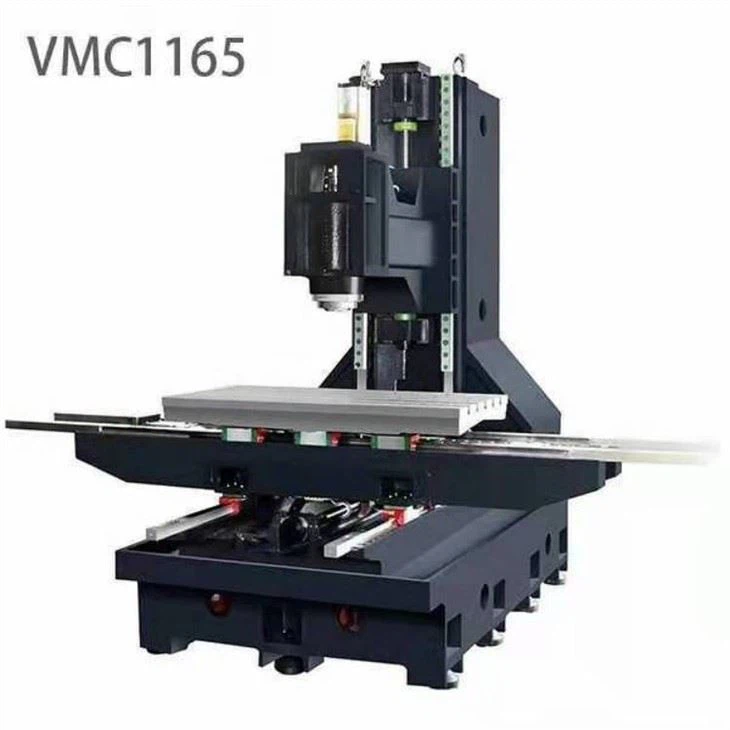
If you're looking to improve the productivity of your CNC Center or are in the market for a new one, I'd love to have a chat with you. Whether you have questions about our products like the CNC Machining Centre in Australia, CNC Milling Machine Vmc 1370, or CNC Machine Center V850, or need advice on optimizing your machining processes, don't hesitate to reach out. Let's work together to get the most out of your CNC Center.
References
- Groover, M. P. (2010). Fundamentals of Modern Manufacturing: Materials, Processes, and Systems. Wiley.
- Boothroyd, G., Dewhurst, P., & Knight, W. A. (2011). Product Design for Manufacture and Assembly. CRC Press.


