

As a supplier of FANUC CNC systems, I've had the privilege of working closely with these industry - leading products. FANUC CNC systems are renowned for their high - performance, reliability, and precision, which have made them a top choice in the manufacturing industry. However, like any technology, they also have their limitations. In this blog, I'll explore some of these constraints to provide a comprehensive view for potential users.
1. High Initial Cost
One of the most significant limitations of FANUC CNC systems is the high initial investment required. These systems are engineered with cutting - edge technology and high - quality components, which drive up the cost. For small and medium - sized enterprises (SMEs) with limited budgets, purchasing a FANUC CNC system can be a substantial financial burden. The cost includes not only the CNC controller itself but also the associated software licenses, installation, and training.
For example, a basic FANUC CNC controller for a Desktop Cnc Milling Machine can be relatively expensive compared to some entry - level competitors. This high cost may prevent some smaller businesses from adopting FANUC systems and force them to look for more affordable alternatives, even though FANUC offers better long - term performance and reliability in many cases.
2. Complexity of Programming and Operation
FANUC CNC systems are feature - rich, which means they come with a high level of programming complexity. The G - code programming language used in FANUC systems is powerful but requires specialized skills and knowledge to master. Operators need to undergo extensive training to be able to write, edit, and debug programs effectively.
This complexity can be a deterrent for new operators or companies that are transitioning from manual machining to CNC machining. The learning curve is steep, and it may take months or even years for an operator to become proficient. Additionally, the complexity can also lead to longer downtime in case of programming errors. If an operator makes a mistake in the program, it can be time - consuming to identify and correct, which can disrupt production schedules and increase costs.
3. Limited Customization Options
While FANUC provides a wide range of standard features and functions, the level of customization available for their CNC systems is somewhat limited. The system architecture and software are designed to be generally applicable across a wide range of industries and applications, which means that it may not fully meet the specific needs of some unique manufacturing processes.
For instance, if a company has a highly specialized Table Top Cnc Milling Machine with non - standard requirements, such as a specific motion control algorithm or a unique tool - changing mechanism, it may find it difficult to customize the FANUC CNC system to fit those requirements. FANUC's closed - loop control system is optimized for standard operations, and making deep - seated customizations can be challenging and costly, often requiring assistance from FANUC's professional technicians.
4. Compatibility Issues
FANUC CNC systems may face compatibility issues with certain third - party equipment or software. As the manufacturing industry becomes more integrated and connected, there is a growing need for CNC systems to interface with other devices such as sensors, robots, and data management software.
However, FANUC's proprietary technology and interfaces may not always be compatible with all third - party products. This can limit the flexibility of integrating FANUC CNC systems into a more comprehensive manufacturing ecosystem. For example, if a company wants to use a particular brand of sensor with a high - end Industrial Milling Machine controlled by a FANUC CNC system, it may encounter difficulties in establishing a seamless connection due to communication protocol differences.
5. Technical Support and Maintenance Challenges
Although FANUC has a well - established technical support network, getting timely and effective support can still be a challenge in some regions. In remote areas or less - developed countries, the response time for technical support may be longer, and it may be difficult to find local technicians with the necessary expertise to service FANUC CNC systems.
Maintenance of FANUC CNC systems also requires specialized knowledge and tools. The system components are highly integrated and complex, and performing routine maintenance tasks such as replacing sensors or updating firmware can be difficult without proper training. Moreover, the cost of spare parts for FANUC systems is relatively high, which can add to the overall cost of ownership.
6. Obsolescence Risk
In the fast - paced world of technology, there is always a risk of product obsolescence. FANUC is constantly evolving its CNC systems, introducing new models and features. Older models may gradually become obsolete, with limited software updates and support.
This can be a concern for companies that have invested in FANUC CNC systems with a long - term perspective. Once a system becomes obsolete, it may face performance limitations and security vulnerabilities. Upgrading to a newer model can be expensive, and in some cases, companies may need to replace the entire CNC system rather than just upgrading certain components.
Navigating the Limitations
Despite these limitations, FANUC CNC systems still offer a great deal of value. The high performance, reliability, and precision they provide often outweigh the drawbacks for many large - scale manufacturers and companies with stable production requirements.

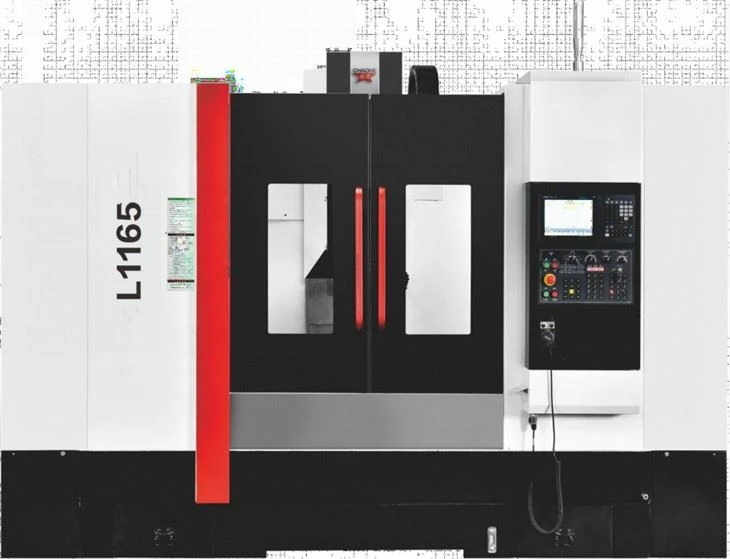
To mitigate the high initial cost, companies can consider long - term financing options or leasing programs. For the complexity of programming and operation, investing in comprehensive training programs for operators can help reduce the learning curve. To address the limited customization options, working closely with FANUC's technical team during the early stages of project planning can help find solutions that come as close as possible to the specific requirements.
In terms of compatibility issues, companies should conduct thorough research before purchasing third - party equipment and ensure that they can work together with the FANUC CNC system. For technical support and maintenance challenges, partnering with local service providers who have experience with FANUC systems can be a viable solution. And to manage the obsolescence risk, companies can stay informed about FANUC's product development roadmap and plan for future upgrades in advance.
If you are considering the purchase of a FANUC CNC system for your manufacturing needs, I encourage you to reach out for more in - depth information. Our team of experts is ready to discuss your specific requirements, provide detailed product information, and assist you in making an informed decision. Whether you need a system for a Desktop Cnc Milling Machine, a Table Top Cnc Milling Machine, or an Industrial Milling Machine, we can help you navigate the potential limitations and find the best solution for your business. Contact us today to start the procurement discussion and take your manufacturing to the next level.
References
- "CNC Machining Handbook"
- Publications from FANUC Corporation on CNC system technology and product specifications
- Industry reports on the adoption and performance of CNC systems in manufacturing


