

Hey there! As a supplier of CNC Centers, I've seen firsthand how the workpiece material can have a huge impact on the cutting performance of these machines. In this blog, I'm gonna break down the key aspects of this relationship and share some insights based on my experience in the industry.
Understanding the Basics of CNC Center Cutting Performance
Before we dive into the role of workpiece material, let's quickly go over what we mean by cutting performance in a CNC Center. Cutting performance refers to how well the machine can cut through the workpiece, which includes factors like the cutting speed, the quality of the cut surface, the tool life, and the overall efficiency of the machining process. A high - performing CNC Center can cut accurately, quickly, and with minimal wear on the cutting tools.
How Different Workpiece Materials Affect Cutting Speed
One of the most obvious impacts of the workpiece material on cutting performance is on the cutting speed. Different materials have different hardness, toughness, and thermal conductivity, all of which play a role in determining how fast the CNC Center can cut.
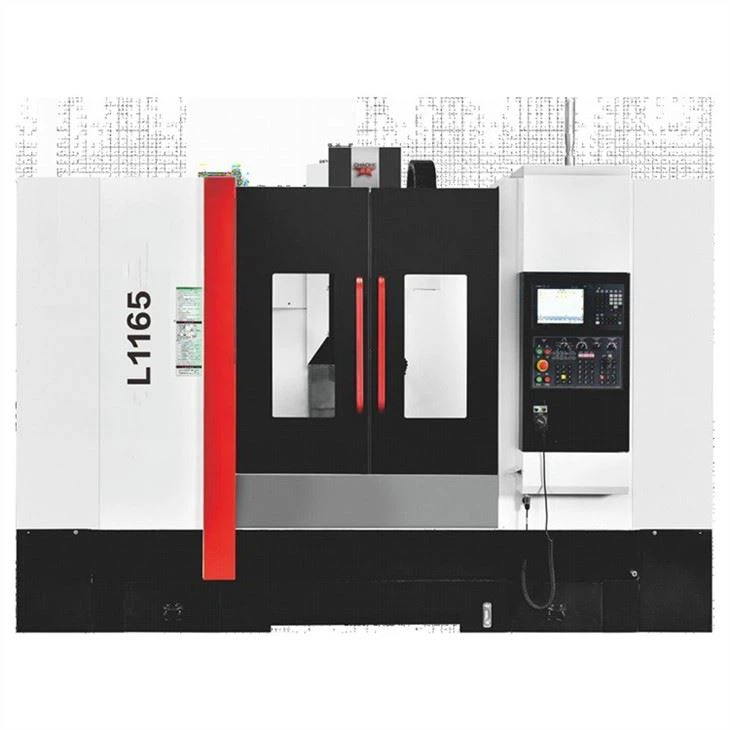
For example, soft materials like aluminum are a breeze to cut. Aluminum has a relatively low hardness, which means the cutting tools can easily penetrate the material. As a result, we can run the CNC Center at higher cutting speeds when working with aluminum. This not only reduces the machining time but also increases the overall productivity. You can check out our CNC Machining Centre in Australia to see how well it performs with aluminum workpieces.
On the other hand, hard materials like stainless steel or titanium pose a challenge. These materials have high hardness and strength, which makes it difficult for the cutting tools to break through. When cutting hard materials, we have to reduce the cutting speed to avoid excessive tool wear and breakage. A slower cutting speed means longer machining times, which can be a drawback in terms of productivity. However, with the right tooling and machining strategies, our Machining Centre And Turning Centre can still handle these tough materials effectively.
Impact on Cut Surface Quality
The workpiece material also has a significant impact on the quality of the cut surface. Soft materials tend to produce a smoother cut surface because they are more easily deformed by the cutting tool. The chips are also more likely to break off cleanly, reducing the chances of built - up edge (BUE) formation on the cutting tool. BUE can cause poor surface finish and dimensional inaccuracies.
In contrast, hard materials often result in a rougher cut surface. The high forces required to cut through these materials can cause vibrations, which in turn lead to uneven surfaces. Additionally, hard materials may generate long, stringy chips that can get entangled in the cutting tool or the workpiece, further affecting the surface quality. Our Vmc 850 Cnc is equipped with advanced features to minimize these issues and ensure a good cut surface even with challenging materials.
Tool Life and Workpiece Material
Tool life is another crucial factor affected by the workpiece material. When cutting soft materials, the cutting tools experience less wear because the forces acting on them are relatively low. This means the tools can be used for a longer period before they need to be replaced, reducing the tooling costs.
Hard materials, however, take a toll on the cutting tools. The high hardness and abrasiveness of these materials cause rapid wear on the tool edges. As a result, the tool life is significantly reduced, and we need to replace the tools more frequently. To combat this, we often use specialized cutting tools made from materials like carbide or ceramic, which are more resistant to wear. But even with these high - performance tools, the tool life when cutting hard materials is still shorter compared to soft materials.

Thermal Effects and Workpiece Material
Thermal conductivity is an important property of the workpiece material that affects the cutting performance. Materials with high thermal conductivity, like copper, can quickly dissipate the heat generated during the cutting process. This helps to keep the cutting tool cool, reducing the chances of thermal damage and prolonging the tool life.
Materials with low thermal conductivity, such as some plastics or certain alloys, tend to trap the heat at the cutting zone. This can lead to overheating of the cutting tool, which in turn causes rapid tool wear and can even damage the workpiece. When working with these materials, we need to use proper cooling and lubrication techniques to manage the heat.
Machinability and Workpiece Material
Machinability is a term used to describe how easily a material can be machined. It takes into account factors like cutting force, tool life, surface finish, and chip formation. Different workpiece materials have different machinability ratings. For example, free - machining steels are specifically designed to have good machinability. They contain additives that improve chip breakage and reduce tool wear.
When choosing a CNC Center, it's important to consider the machinability of the materials you'll be working with. Our CNC Centers are designed to be versatile and can handle a wide range of materials with different machinability levels. Whether you're working with high - machinability materials or more challenging ones, our machines can adapt to the task.
Conclusion and Call to Action
In conclusion, the workpiece material has a profound impact on the cutting performance of a CNC Center. From cutting speed and surface quality to tool life and thermal effects, every aspect of the machining process is influenced by the material we're working with.
As a supplier of CNC Centers, we understand the importance of matching the machine to the workpiece material. Our range of CNC Centers, including the ones mentioned in the links above, are designed to provide optimal performance across a variety of materials.
If you're in the market for a CNC Center and want to learn more about how our machines can handle your specific workpiece materials, don't hesitate to reach out. We're here to help you make the right choice and ensure that you get the best cutting performance for your needs. Let's start a conversation about your requirements and see how we can work together to achieve your machining goals.
References
- Kalpakjian, S., & Schmid, S. R. (2014). Manufacturing Engineering and Technology. Pearson.
- Boothroyd, G., Dewhurst, P., & Knight, W. A. (2011). Product Design for Manufacture and Assembly. CRC Press.


