

As a supplier of x - carve, one of the most frequently asked questions I encounter is about the maximum size of the material that x - carve can handle. Understanding this limitation is crucial for users who plan to work on various projects, from small, intricate crafts to larger, more substantial pieces.
The Physical Constraints of x - carve
The x - carve is a versatile CNC (Computer Numerical Control) machine that offers a balance between precision and work area. The work area of the standard x - carve is determined by its physical structure, specifically the length, width, and height that the machine's cutting tool can reach.
In terms of the X - axis (the horizontal movement from left to right), the x - carve typically has a maximum travel distance that defines the maximum width of the material it can handle. For most standard models, this X - axis travel can range from a certain number of inches. This limitation is mainly due to the design of the machine's frame and the drive system that moves the cutting head along the X - axis.
The Y - axis (the horizontal movement towards and away from the operator) also has a specific travel distance. This determines the maximum length of the material that can be placed on the machine's bed. Similar to the X - axis, the Y - axis travel is restricted by the mechanical components of the machine, such as the rails and the stepper motors that control the movement.
The Z - axis (the vertical movement of the cutting tool) determines the maximum thickness of the material that the x - carve can cut through. The Z - axis travel is usually designed to accommodate a reasonable range of material thicknesses, but it is also limited by factors like the height of the spindle and the available clearance within the machine's frame.
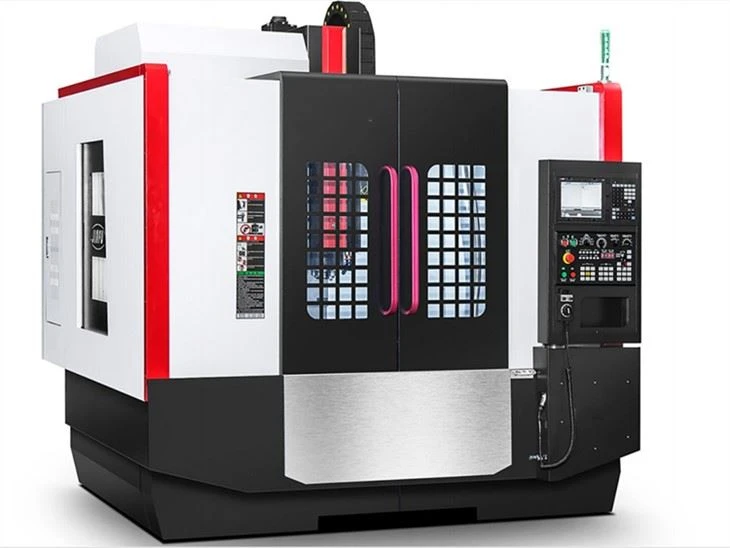

Factors Affecting the Maximum Material Size
Several factors can affect the actual maximum size of the material that can be effectively processed by the x - carve.
-
Machine Model and Configuration
- Different models of the x - carve may have different work area specifications. Some models are designed for more compact workspaces and may have smaller maximum material size capabilities, while others are built for larger projects and offer a more generous work area.
- Additionally, the configuration of the machine, such as the type of spindle and the presence of any additional accessories, can also impact the available space for the material. For example, a larger spindle may require more clearance, reducing the overall usable work area.
-
Material Type and Density
- The type and density of the material being used can also play a role in determining the maximum size that can be handled. Softer materials like wood or foam may allow for larger pieces to be processed without significant issues, as they are easier to cut through. However, harder materials such as metal or thick plastics may require more power and precision, and the machine may struggle to handle larger pieces due to the increased cutting forces involved.
- Dense materials may also cause more wear and tear on the cutting tool, which could limit the size of the material that can be cut efficiently.
-
Tooling and Cutting Parameters
- The choice of cutting tool and the cutting parameters (such as feed rate, spindle speed, and depth of cut) can affect the maximum material size. A smaller cutting tool may be more suitable for detailed work on smaller pieces, while a larger tool may be required for cutting larger areas of material. However, using a larger tool may also require more power and may have limitations in terms of the minimum features it can cut.
- The cutting parameters need to be carefully adjusted based on the material and the size of the piece being cut. Incorrect parameters can lead to poor cutting quality, tool breakage, or even damage to the machine.
Practical Considerations for Working with Large Materials
When working with materials close to the maximum size capacity of the x - carve, there are several practical considerations to keep in mind.
-
Material Support
- Larger materials need to be properly supported to ensure accurate cutting. The machine's bed may not provide sufficient support for the entire length and width of a large piece, especially if it is thin or flexible. Additional support structures, such as sacrificial boards or jigs, may need to be used to prevent the material from flexing or vibrating during the cutting process.
-
Cooling and Chip Management
- Cutting large materials can generate a significant amount of heat and chips. Proper cooling and chip management are essential to prevent overheating of the cutting tool and to ensure a clean cutting environment. This may involve using a coolant system or a vacuum system to remove chips from the work area.
-
Job Setup and Alignment
- Setting up a job for a large material requires careful alignment. The material needs to be accurately positioned on the machine's bed to ensure that the cutting tool follows the intended path. This may involve using alignment marks or fixtures to ensure that the material is square and centered on the work area.
Comparison with Other CNC Machines
To better understand the maximum material size capabilities of the x - carve, it can be helpful to compare it with other types of CNC machines.
-
Small Cnc Vertical Milling Machine
- Small CNC vertical milling machines are designed for precision machining of smaller parts. While they may offer high levels of accuracy, their work area is typically more limited compared to the x - carve. The x - carve may be a better choice for projects that require a larger work area, especially when working with materials like wood or plastics.
-
- Precision CNC milling machines are often used for high - precision machining of metal parts. These machines may have larger work areas than the x - carve in some cases, but they are also more expensive and may require more advanced technical knowledge to operate. The x - carve offers a more accessible option for users who want to work on a variety of materials with a reasonable work area.
-
Benchtop 3 Axis Cnc Milling Machine
- Benchtop 3 - axis CNC milling machines are similar in concept to the x - carve, but they may have different maximum material size capabilities. Some benchtop models may be more compact and have smaller work areas, while others may offer a comparable or slightly larger work area. The x - carve's design and features make it a competitive option in this category.
Conclusion
In conclusion, the maximum size of the material that the x - carve can handle is determined by its physical design, including the travel distances of the X, Y, and Z axes. However, factors such as machine model, material type, tooling, and practical considerations also play a significant role.
If you are considering using the x - carve for your projects, it is important to carefully assess your material size requirements and ensure that the machine can meet them. Whether you are working on small crafts or larger projects, understanding the limitations and capabilities of the x - carve will help you make the most of this versatile CNC machine.
If you have any questions about the maximum material size or other aspects of the x - carve, or if you are interested in purchasing an x - carve for your business or personal projects, please feel free to contact us for further discussion and negotiation. We are here to provide you with the best solutions and support.
References
- Manufacturer's documentation for x - carve
- Industry standards and best practices for CNC machining
- Technical resources on material cutting and CNC operation


