

Precision CNC machining centers, such as the VMC850, are essential tools in modern manufacturing. They offer high - precision machining capabilities, which are crucial for producing complex parts in various industries. One aspect that often concerns operators and those in the vicinity of these machines is the noise level during their operation. In this blog, as a supplier of the Precision Cnc Machining Center VMC850, I will delve into the factors affecting the noise level, the typical noise levels, and how to manage them.
Factors Affecting the Noise Level of VMC850
1. Spindle Operation
The spindle is the heart of the VMC850. It rotates at high speeds to drive the cutting tools. The speed and the quality of the spindle bearings play a significant role in noise generation. Higher spindle speeds generally result in louder noise. When the spindle is rotating at a very high RPM (Revolutions Per Minute), the air turbulence around it and the mechanical vibrations can create a substantial amount of noise. For example, if the spindle is operating at 10,000 RPM, the noise level will be notably higher compared to when it is running at 3,000 RPM.
2. Cutting Process
The cutting process itself is a major source of noise. When the cutting tool engages with the workpiece, there is a sudden impact and continuous friction. The type of material being cut, the cutting speed, and the feed rate all influence the noise. Harder materials require more force to cut, which often leads to louder noise. For instance, cutting stainless steel will produce more noise than cutting aluminum. Also, a high - speed cutting operation with a large feed rate will generate more noise as the tool is removing material at a faster pace.
3. Machine Structure and Vibration
The overall structure of the VMC850 and its vibration characteristics can affect the noise level. If the machine is not properly installed or if there are loose components, vibrations can be amplified, leading to increased noise. Additionally, the design of the machine's frame and its ability to dampen vibrations play a role. A well - designed machine with good vibration - damping properties will produce less noise.
4. Coolant System
The coolant system in the VMC850 is used to cool the cutting tool and the workpiece during the machining process. The pump in the coolant system can be a source of noise, especially if it is operating at a high pressure or if there are issues with the pump's impeller or bearings. The flow of the coolant through the pipes and nozzles can also create a certain amount of noise.
Typical Noise Levels of VMC850
The noise level of a Precision Cnc Machining Center VMC850 can vary depending on the operating conditions. Under normal machining conditions, with the spindle running at moderate speeds and a typical cutting process, the noise level is usually in the range of 70 - 85 decibels (dB).
At lower spindle speeds and lighter cutting operations, the noise level may be closer to 70 dB. This is similar to the noise level of a normal conversation in a busy office. However, during high - speed machining operations or when cutting hard materials, the noise level can reach up to 85 dB. This is comparable to the noise level of a vacuum cleaner.
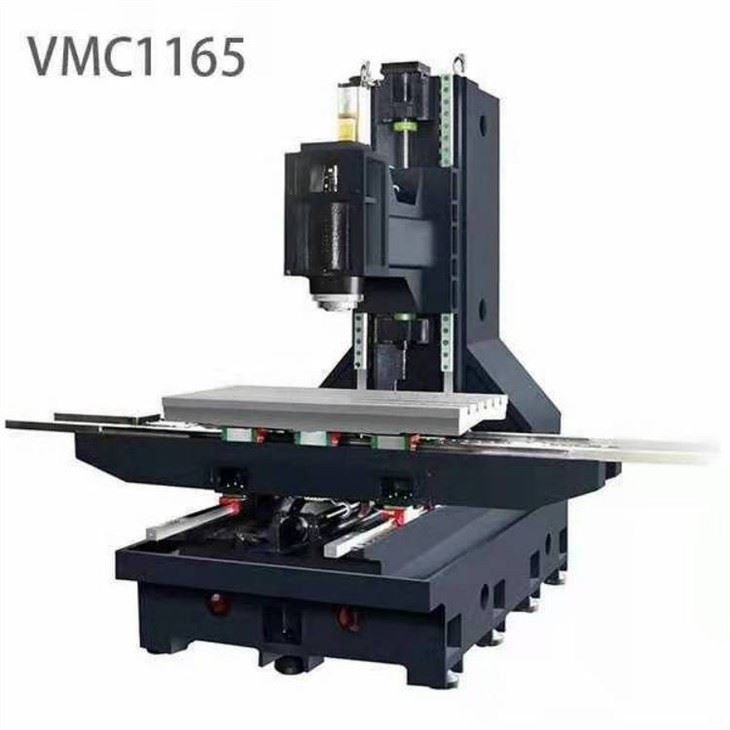
It's important to note that prolonged exposure to noise levels above 85 dB can cause hearing damage. Therefore, it is crucial to take appropriate measures to manage the noise in the machining environment.
Managing the Noise Level
1. Machine Maintenance
Regular maintenance of the VMC850 is essential to keep the noise level under control. This includes checking and replacing worn - out spindle bearings, tightening loose components, and ensuring the proper functioning of the coolant system. By maintaining the machine in good condition, we can reduce vibrations and mechanical noise.
2. Operator Training
Proper operator training can also contribute to noise reduction. Operators should be trained to select the appropriate cutting parameters, such as spindle speed, feed rate, and cutting depth, based on the material being cut. By using the correct parameters, we can optimize the cutting process and reduce unnecessary noise.
3. Noise - Reduction Enclosures
Installing noise - reduction enclosures around the VMC850 is an effective way to reduce the noise level in the surrounding environment. These enclosures are made of sound - absorbing materials and can significantly reduce the amount of noise that escapes from the machine. They can also protect the operators from other hazards, such as flying chips.
4. Personal Protective Equipment (PPE)
Even with noise - reduction measures in place, operators may still be exposed to some level of noise. Therefore, it is important for them to wear appropriate personal protective equipment, such as earplugs or earmuffs. These can provide an additional layer of protection for their hearing.
Comparison with Other CNC Machines
When comparing the VMC850 with other CNC machines, such as the CNC Metal Milling Machine 1100, Desktop 3 Axis Cnc Mill, and Mini Cnc Vertical Milling Machine, the noise level can vary.

The CNC Metal Milling Machine 1100, being a larger and more powerful machine, may produce a higher noise level during operation, especially when it is performing heavy - duty machining tasks. On the other hand, the Desktop 3 Axis Cnc Mill and the Mini Cnc Vertical Milling Machine are generally smaller and may operate at lower speeds, resulting in relatively lower noise levels.
Conclusion
In conclusion, the noise level during the operation of the Precision Cnc Machining Center VMC850 is influenced by several factors, including spindle operation, the cutting process, machine structure, and the coolant system. Under normal conditions, the noise level is in the range of 70 - 85 dB. By implementing proper maintenance, operator training, noise - reduction enclosures, and the use of personal protective equipment, we can effectively manage the noise level.
If you are in the market for a high - quality CNC machining center like the VMC850, or if you have any questions about noise management or other aspects of our machines, I encourage you to contact us for a procurement discussion. We are committed to providing you with the best solutions for your machining needs.
References
- "Handbook of Noise Control" by Cyril M. Harris
- "CNC Machining Technology" by John A. Regehr


