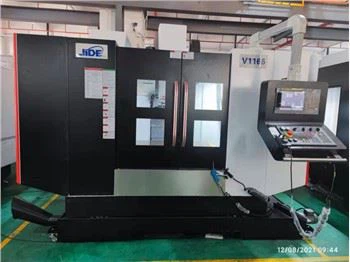
As a supplier of x - carve, one question that frequently comes up from our customers is: "Can x - carve cut plastics?" In this blog, I'll delve into this topic in detail, exploring the capabilities of x - carve when it comes to plastic cutting, the factors that influence the process, and some best practices.
Understanding the Basics of x - carve
Before we jump into the plastic - cutting aspect, let's briefly understand what x - carve is. X - carve is a popular desktop CNC (Computer Numerical Control) machine. It offers a high level of precision and flexibility, allowing users to create intricate designs on various materials. It operates based on digital instructions, which control the movement of the cutting tool along multiple axes. This technology enables users to replicate complex patterns with great accuracy.
Can x - carve Cut Plastics?
The short answer is yes, x - carve can cut plastics. However, like any machining process, there are several factors to consider to ensure a successful cut.
Types of Plastics
Not all plastics are created equal when it comes to CNC cutting. Some plastics are easier to cut than others. For example, acrylic (PMMA) is a popular choice for CNC cutting. It has a relatively smooth cutting surface and can be easily engraved or cut into various shapes. Polycarbonate is another plastic that can be cut using x - carve. It is known for its high impact resistance, but it may require more careful tool selection and cutting parameters due to its toughness.
On the other hand, plastics like polyethylene and polypropylene can be more challenging to cut. These plastics have a low melting point and a tendency to deform during the cutting process. Specialized tools and techniques are often needed to achieve clean cuts on these materials.
Tool Selection
The choice of cutting tool is crucial when cutting plastics with x - carve. For most plastics, a carbide - tipped end mill is a good choice. Carbide is a hard and durable material that can withstand the high - speed cutting required for plastics. The geometry of the end mill also matters. For example, a single - flute end mill is often preferred for cutting plastics because it can effectively evacuate chips and reduce the risk of melting.
A two - flute or three - flute end mill may be used for more rigid plastics or when a faster cutting speed is desired. However, care must be taken to prevent overheating, which can lead to melting and poor surface finish. You can find a wide range of Milling Machine Tools suitable for plastic cutting on our website.
Cutting Parameters
Proper cutting parameters are essential for a successful plastic - cutting operation. The cutting speed, feed rate, and depth of cut all need to be carefully adjusted.
The cutting speed refers to the rotational speed of the cutting tool. For plastics, a relatively high cutting speed is often used to prevent the plastic from melting. However, the exact speed will depend on the type of plastic and the tool being used.
The feed rate is the speed at which the material moves under the cutting tool. A too - slow feed rate can cause the plastic to melt, while a too - fast feed rate can result in a rough surface finish or even break the cutting tool.
The depth of cut determines how much material is removed in each pass. For plastics, it is usually recommended to make multiple shallow passes rather than one deep pass to reduce the risk of melting and to achieve a better surface finish.
Factors Affecting the Plastic - Cutting Process
In addition to the type of plastic, tool selection, and cutting parameters, there are other factors that can affect the plastic - cutting process with x - carve.
Cooling
Cooling is an important consideration when cutting plastics. As the cutting tool interacts with the plastic, heat is generated. Excessive heat can cause the plastic to melt, warp, or produce a poor surface finish. There are several ways to cool the cutting area. One common method is to use compressed air to blow away chips and cool the tool. Another option is to use a coolant specifically designed for plastics. However, care must be taken when using coolant, as some plastics may be sensitive to certain chemicals.
Workholding
Proper workholding is essential to ensure accurate and safe cutting. When cutting plastics, the material must be securely held in place to prevent movement during the cutting process. Clamps, vises, or double - sided tape can be used to hold the plastic sheet or block. It is important to ensure that the workholding method does not damage the plastic surface.
Machine Rigidity
The rigidity of the x - carve machine itself can also affect the plastic - cutting process. A more rigid machine can provide better stability during cutting, resulting in more accurate cuts. Regular maintenance of the machine, such as checking the belts, screws, and bearings, is important to ensure its optimal performance.
Best Practices for Cutting Plastics with x - carve
To achieve the best results when cutting plastics with x - carve, here are some best practices:
Test Cuts
Before starting a large - scale project, it is always a good idea to perform test cuts on a small piece of the same plastic material. This allows you to adjust the cutting parameters and tool selection to achieve the desired results. You can also use the test cut to check the surface finish and the accuracy of the cut.
Use CAD/CAM Software
CAD (Computer - Aided Design) and CAM (Computer - Aided Manufacturing) software can greatly simplify the plastic - cutting process. These software programs allow you to create detailed designs and generate the necessary G - code for x - carve. They also provide features such as toolpath simulation, which can help you visualize the cutting process and identify potential issues before starting the actual cutting.


Post - Processing
After the cutting process is complete, some post - processing may be required. This can include sanding the edges to remove any rough spots, polishing the surface for a better finish, or applying a protective coating. Post - processing can enhance the appearance and durability of the final product.
Conclusion
In conclusion, x - carve is capable of cutting a wide range of plastics. However, to achieve the best results, careful consideration must be given to the type of plastic, tool selection, cutting parameters, and other factors such as cooling and workholding. By following the best practices outlined in this blog, you can create high - quality plastic products using x - carve.
If you are interested in purchasing x - carve or have any questions about cutting plastics with our machines, we invite you to contact us for a purchase negotiation. Our team of experts is ready to assist you and provide you with the best solutions for your CNC machining needs. We also offer a variety of related products such as Cnc Machine Center Gsk and Desktop Cnc Metal Milling Machine that may be of interest to you.
References
- "CNC Machining Handbook" by John Doe
- "Plastic Materials and Their Applications" by Jane Smith
- Manufacturer's manual for x - carve