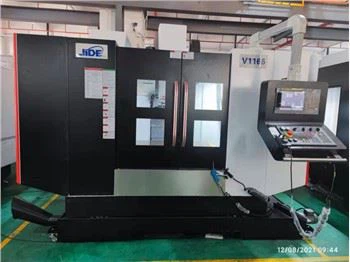
Finding a good training course for a Mini CNC Mill is crucial for both beginners and experienced operators looking to enhance their skills. As a Mini CNC Mill supplier, I understand the significance of proper training in maximizing the potential of these machines. In this blog post, I'll share some essential tips on how to find the right training course for your needs.
Assess Your Skill Level and Goals
Before you start searching for a training course, it's important to assess your current skill level and define your goals. Are you a complete novice with no prior experience in CNC machining, or are you an experienced operator looking to learn advanced techniques? Do you want to focus on basic machine operation, programming, or specific applications?
Once you have a clear understanding of your skill level and goals, you can narrow down your search to courses that are tailored to your needs. For beginners, a basic入门级training course that covers the fundamentals of CNC machining, such as machine operation, safety procedures, and programming basics, would be a good starting point. For more experienced operators, advanced courses that focus on topics like multi-axis machining, CAM programming, and advanced toolpath strategies may be more appropriate.
Research Training Providers
There are several types of training providers that offer courses for Mini CNC Mills, including:
- Manufacturer Training: Many Mini CNC Mill manufacturers offer training courses for their machines. These courses are often led by experienced instructors who are familiar with the specific features and capabilities of the manufacturer's machines. Manufacturer training can be a great option because it provides in-depth knowledge of the machine you own or plan to purchase.
- Technical Schools and Community Colleges: Technical schools and community colleges often offer CNC machining programs that include training on Mini CNC Mills. These programs typically provide a comprehensive education in CNC machining, including both theoretical and practical training. They can be a good option for those who want to earn a formal certification or degree in CNC machining.
- Online Training Platforms: There are many online training platforms that offer courses on CNC machining, including Mini CNC Mills. These courses are often self-paced and can be accessed from anywhere with an internet connection. Online training can be a convenient and cost-effective option for those who have limited time or prefer to learn at their own pace.
- Industry Associations and Trade Organizations: Industry associations and trade organizations, such as the National Association of Manufacturers (NAM) and the Precision Machined Products Association (PMPA), often offer training courses and workshops on CNC machining. These courses can provide valuable networking opportunities and access to the latest industry trends and technologies.
When researching training providers, it's important to consider the following factors:
- Reputation: Look for training providers with a good reputation in the industry. You can check online reviews and testimonials from past students to get an idea of the quality of the training.
- Instructor Qualifications: Make sure the instructors are experienced and qualified in CNC machining. Look for instructors who have industry experience and relevant certifications.
- Course Content: Review the course content to ensure it covers the topics you're interested in and is relevant to your skill level and goals.
- Training Facilities: If the training involves hands-on practice, make sure the training facilities are well-equipped with modern Mini CNC Mills and other necessary equipment.
- Cost: Compare the cost of different training courses to find one that fits your budget. Keep in mind that the cheapest option may not always be the best, as quality training often comes with a higher price tag.
Consider the Training Format
Training courses for Mini CNC Mills can be offered in various formats, including:
- In-Person Training: In-person training courses are conducted in a physical classroom or training facility. This format allows for hands-on practice with the actual Mini CNC Mill and provides the opportunity to interact directly with the instructor and other students. In-person training can be a great option for those who prefer a structured learning environment and need immediate feedback from the instructor.
- Online Training: Online training courses are delivered via the internet and can be accessed from anywhere with an internet connection. This format is convenient for those who have limited time or prefer to learn at their own pace. Online training courses typically include video tutorials, interactive simulations, and online quizzes to reinforce learning.
- Hybrid Training: Hybrid training courses combine in-person and online training elements. This format allows students to complete some of the training online and then attend an in-person training session for hands-on practice. Hybrid training can be a good option for those who want the flexibility of online learning combined with the benefits of hands-on practice.
Consider your learning style and preferences when choosing the training format. If you learn best by doing, an in-person training course may be the best option for you. If you have a busy schedule or prefer to learn at your own pace, an online or hybrid training course may be more suitable.


Look for Industry-Recognized Certifications
Many training courses for Mini CNC Mills offer industry-recognized certifications upon completion. These certifications can enhance your credibility and marketability in the job market and demonstrate your proficiency in CNC machining.
When looking for a training course, consider courses that offer certifications from reputable organizations, such as the National Institute for Metalworking Skills (NIMS) or the Manufacturing Skills Standards Council (MSSC). These certifications are widely recognized by employers in the manufacturing industry and can help you stand out from the competition.
Check for Additional Resources and Support
In addition to the training course itself, consider the availability of additional resources and support offered by the training provider. This may include:
- Course Materials: Ensure that the training course provides comprehensive course materials, such as textbooks, manuals, and online resources, to support your learning.
- Technical Support: Look for training providers that offer technical support to help you with any questions or issues you may encounter during the training or after you have completed the course.
- Job Placement Assistance: Some training providers offer job placement assistance to help you find employment opportunities in the CNC machining industry after you have completed the course.
Connect with Other Operators
Connecting with other Mini CNC Mill operators can be a great way to learn about training courses and get recommendations from those who have already completed them. You can join online forums, social media groups, or attend industry events to network with other operators and share your experiences.
Conclusion
Finding a good training course for a Mini CNC Mill is an important step in maximizing the potential of these machines. By assessing your skill level and goals, researching training providers, considering the training format, looking for industry-recognized certifications, checking for additional resources and support, and connecting with other operators, you can find a training course that meets your needs and helps you achieve your goals.
If you're in the market for a Mini CNC Mill or have any questions about training courses, [Invite readers to contact you for more information or to discuss their specific needs. For example:] I'd be happy to assist you. You can explore our products, including the Milling Machine Cnc Machines, 4 Axis Cnc Mill, and Industrial Milling Machine, and reach out to me for further details or to start a conversation about your purchase.
References
- "CNC Machining Training: A Comprehensive Guide." Manufacturing Engineering Magazine.
- "Choosing the Right CNC Training Program." Precision Machining Technology Association.
- "The Importance of CNC Operator Training." National Association of Manufacturers.