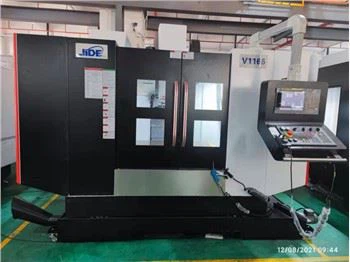
Hey there, fellow CNC enthusiasts! As a supplier of CNC milling machines, I've seen firsthand how crucial it is to choose the right coolant for different materials in CNC milling. It's not just about keeping things cool; it's about optimizing performance, extending tool life, and getting the best results possible. So, let's dive into the world of coolants and learn how to make the right choice for your projects.
Why Coolants Matter in CNC Milling
Before we get into the nitty - gritty of coolant selection, let's talk about why coolants are so important in CNC milling. When you're milling materials, a lot of heat is generated due to the friction between the cutting tool and the workpiece. This heat can cause several problems:
- Tool Wear: Excessive heat can wear down the cutting edges of your tools quickly, reducing their lifespan and increasing your tooling costs.
- Workpiece Distortion: High temperatures can cause the workpiece to expand and contract, leading to dimensional inaccuracies and poor surface finishes.
- Chip Formation: Without proper cooling, chips can become difficult to break and remove from the cutting area, which can interfere with the cutting process and cause further tool wear.
Coolants help to address these issues by removing heat from the cutting zone, lubricating the cutting process, and flushing away chips. But not all coolants are created equal, and the type you choose depends on the material you're milling.
Coolant Types and Their Applications
Water - Based Coolants
Water - based coolants are the most commonly used type of coolant in CNC milling. They're a great all - around choice because they offer good cooling and lubrication properties at a relatively low cost.
- Synthetic Coolants: These are made from chemical compounds and have excellent cooling capabilities. They're also resistant to bacteria and fungi, which means they have a longer shelf life. Synthetic coolants are ideal for high - speed machining of materials like aluminum and steel. For example, if you're using a High Speed Cnc Machining setup to mill aluminum parts, a synthetic coolant can help keep the temperature down and prevent tool wear.
- Semisynthetic Coolants: A blend of synthetic and mineral oil, semisynthetic coolants offer a balance between cooling and lubrication. They're suitable for a wide range of materials, including stainless steel, cast iron, and non - ferrous metals. If you have a Desktop 3 Axis Cnc Milling Machine and you're working on various small - scale projects with different materials, a semisynthetic coolant can be a good choice.
- Emulsion Coolants: These are made by mixing mineral oil with water and an emulsifier. They provide good lubrication and are often used for machining materials that require more lubrication, such as titanium and nickel - based alloys. However, they're more prone to bacterial growth, so proper maintenance is required.
Straight Oils
Straight oils are pure mineral or vegetable oils. They offer excellent lubrication but have limited cooling capabilities. Straight oils are typically used for heavy - duty machining operations on materials like stainless steel and high - strength alloys. They're great for reducing friction and preventing built - up edge on the cutting tool. However, they can be messy and may require additional ventilation due to the fumes they produce.
Gas - Based Coolants
Gas - based coolants, such as compressed air or nitrogen, are used in some specialized applications. They're mainly used for dry machining or in situations where water - based coolants are not suitable, like when machining materials that are sensitive to moisture. Gas - based coolants can help to blow away chips and provide some cooling, but they don't offer the same level of lubrication as liquid coolants.
Selecting the Right Coolant for Different Materials
Aluminum
Aluminum is a popular material in CNC milling due to its lightweight and good machinability. For aluminum, a water - based synthetic coolant is usually the best choice. Synthetic coolants provide excellent cooling, which helps to prevent the aluminum from melting and sticking to the cutting tool. They also help to achieve a smooth surface finish. If you're using a CNC Milling Machine For Home Shop to mill aluminum parts, a synthetic coolant can make your life a lot easier.
Steel
Steel comes in many different grades, and the coolant selection depends on the specific type of steel. For mild steel, a semisynthetic coolant is a good option as it offers a good balance of cooling and lubrication. For high - strength steels, straight oils or heavy - duty emulsion coolants may be required to provide the necessary lubrication and prevent tool wear.
Stainless Steel
Stainless steel is more difficult to machine than mild steel due to its high strength and tendency to work - harden. A straight oil or a high - lubricity emulsion coolant is often recommended for stainless steel machining. These coolants help to reduce friction and prevent the formation of built - up edge on the cutting tool, which can lead to poor surface finishes and premature tool failure.
Titanium
Titanium is a high - strength, lightweight material that is commonly used in aerospace and medical applications. Machining titanium generates a lot of heat, so a coolant with excellent cooling and lubrication properties is essential. A heavy - duty emulsion coolant or a straight oil is typically used for titanium machining. These coolants help to keep the cutting tool cool and prevent the titanium from reacting with the tool material.


Coolant Maintenance
Once you've selected the right coolant for your material, it's important to maintain it properly. Here are some tips:
- Concentration: Make sure to maintain the correct coolant concentration. Too little coolant can reduce its effectiveness, while too much can lead to foaming and other problems.
- Filtration: Use a good filtration system to remove chips and debris from the coolant. This helps to prevent the coolant from becoming contaminated and extends its lifespan.
- pH Level: Regularly check the pH level of the coolant. A stable pH level helps to prevent corrosion and bacterial growth.
- Bacteria Control: If you're using a water - based coolant, bacteria can grow in it over time. Use biocides or other bacteria - control methods to keep the coolant clean and effective.
Conclusion
Choosing the right coolant for different materials in CNC milling is a critical step in achieving optimal performance and quality. By understanding the different types of coolants and their applications, you can make an informed decision that will save you time, money, and headaches in the long run.
If you're in the market for a CNC milling machine or have any questions about coolant selection and maintenance, don't hesitate to reach out. We're here to help you make the most of your CNC milling operations. Whether you need a Desktop 3 Axis Cnc Milling Machine for your home shop or a high - end High Speed Cnc Machining setup for industrial applications, we've got you covered. Contact us today to start a conversation about your specific needs and how we can assist you in your procurement process.
References
- "CNC Machining Handbook"
- "Metal Cutting Principles"
- Manufacturer's guidelines for various CNC milling machines and coolants