

Hey there! As a supplier of VMC (Vertical Machining Center) machines, I often get asked about the dynamic stiffness of these bad boys. So, let's dive right in and break it down in a way that's easy to understand.
First off, what the heck is dynamic stiffness? Well, in simple terms, it's how well a VMC machine can handle the forces and vibrations that come with the machining process. You see, when a VMC is cutting, drilling, or milling a workpiece, there are all sorts of forces at play. These forces can cause the machine to vibrate, and if the machine doesn't have good dynamic stiffness, those vibrations can lead to all kinds of problems.
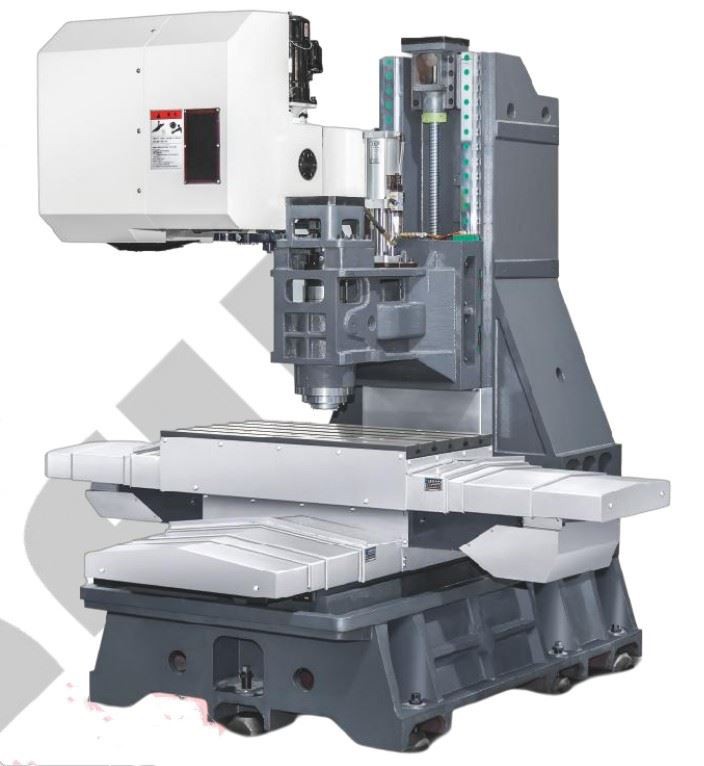

One of the main issues that can arise from poor dynamic stiffness is poor surface finish. When a machine vibrates too much during the machining process, it can leave rough spots on the workpiece. This is a big no - no, especially if you're making parts that need to have a smooth and precise finish. For example, if you're manufacturing aerospace components or medical devices, a rough surface finish can affect the functionality and safety of the parts.
Another problem is reduced tool life. Excessive vibrations can put extra stress on the cutting tools. This means the tools wear out faster, which can be a real pain in the pocket. You end up having to replace the tools more often, and that adds up to increased costs over time.
So, how does a VMC achieve good dynamic stiffness? There are a few key factors.
Machine Structure
The structure of the VMC is crucial. A well - designed machine frame can absorb and dissipate vibrations effectively. Most high - quality VMCs are made with heavy - duty cast iron or steel frames. These materials are dense and have good damping properties, which means they can soak up the vibrations and prevent them from spreading throughout the machine. For instance, a solid cast iron base provides a stable foundation for the machine, reducing the chances of it wobbling during operation.
Guideways
The guideways are another important component. They allow the machine's axes to move smoothly and precisely. There are different types of guideways, such as ball screw guideways and linear guideways. Linear guideways are known for their high precision and low friction, which can contribute to better dynamic stiffness. They can handle high - speed movements without generating excessive vibrations, making them ideal for high - performance machining.
Spindle Design
The spindle is the heart of the VMC. It holds the cutting tool and rotates it at high speeds. A well - balanced spindle is essential for good dynamic stiffness. If the spindle is not balanced correctly, it can cause vibrations that will affect the machining process. Modern VMCs often use advanced spindle technology, such as direct - drive spindles, which offer better control and less vibration compared to traditional belt - driven spindles.
Control System
The control system of the VMC also plays a role in dynamic stiffness. A sophisticated control system can adjust the machine's parameters in real - time to compensate for vibrations. For example, it can adjust the feed rate or the spindle speed based on the feedback from sensors that detect vibrations. This helps to maintain a stable machining process and improve the overall quality of the finished parts.
Now, let's talk about how dynamic stiffness relates to the different types of VMCs we offer.
We have some great Benchtop Cnc Milling Machine For Sale. These benchtop VMCs are perfect for small - scale machining operations, like prototyping or hobbyist projects. Despite their compact size, we've designed them with good dynamic stiffness in mind. The frames are made of high - quality materials, and the guideways are carefully selected to ensure smooth and vibration - free operation.
If you're looking for something more powerful and versatile, our 4 Axis Cnc Milling Machine and 4 Axis Cnc Mill are excellent choices. These machines are capable of handling complex machining tasks, such as multi - sided machining. With four axes of movement, they offer greater flexibility, but they also need to have high dynamic stiffness to maintain precision. Our 4 - axis VMCs are equipped with advanced spindles and control systems to ensure that they can handle the increased forces and vibrations associated with more complex operations.
So, why should you care about dynamic stiffness when choosing a VMC? Well, it all boils down to quality and cost - effectiveness. A VMC with good dynamic stiffness will produce better - quality parts with a smoother finish. This means you'll have fewer rejects and higher customer satisfaction. At the same time, it will save you money in the long run by reducing tool wear and minimizing downtime for maintenance.
If you're in the market for a VMC and want to learn more about how dynamic stiffness can benefit your machining operations, don't hesitate to reach out. We're here to help you find the perfect machine that meets your specific needs. Whether you're a small - business owner looking to upgrade your equipment or a large - scale manufacturer in need of high - performance VMCs, we've got you covered.
Let's work together to take your machining to the next level. Contact us today to start the conversation about your VMC requirements, and let's see how we can make your manufacturing processes more efficient and profitable.
References
- "Machine Tool Drives and Controls" by John T. Black.
- "Modern Manufacturing Technology" by Rajender Singh.
- Industry whitepapers on VMC performance and dynamic stiffness.
