Hey there! As a supplier of VMC CNC machines, I often get asked about the feed rate of VMC CNCs. So, I thought I'd take the time to break it down for you in this blog post.
First things first, what exactly is the feed rate? Well, in simple terms, the feed rate is the speed at which the cutting tool moves along the workpiece during the machining process. It's measured in units like inches per minute (IPM) or millimeters per minute (mm/min). This rate plays a crucial role in determining the quality of the finished product, the efficiency of the machining process, and even the lifespan of the cutting tools.


Factors Affecting Feed Rate
There are several factors that can influence the optimal feed rate for a VMC CNC machine. Let's take a look at some of the most important ones:
1. Material of the Workpiece
Different materials have different properties, such as hardness, toughness, and machinability. For example, machining aluminum is much easier than machining stainless steel. Aluminum has a lower hardness, so you can typically use a higher feed rate when cutting it. On the other hand, stainless steel is harder and more difficult to machine, which means you'll need to use a lower feed rate to avoid damaging the cutting tool and ensure a good surface finish.
2. Type of Cutting Tool
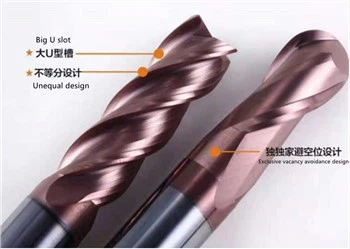
The design and material of the cutting tool also have a significant impact on the feed rate. Carbide cutting tools are generally more durable and can withstand higher cutting speeds and feed rates compared to high-speed steel (HSS) tools. Additionally, the number of flutes on the cutting tool can affect the feed rate. Tools with more flutes can remove material more quickly, allowing for a higher feed rate.
3. Machine Capabilities
The power and rigidity of the VMC CNC machine itself are important factors. A more powerful machine can handle higher feed rates without stalling or vibrating excessively. Machines with better rigidity can also maintain accuracy at higher feed rates, resulting in a better quality finish.
4. Depth of Cut
The depth of cut refers to how deep the cutting tool penetrates into the workpiece. A larger depth of cut usually requires a lower feed rate to prevent overloading the cutting tool and causing it to break. Conversely, a smaller depth of cut allows for a higher feed rate.
Calculating the Feed Rate
Calculating the feed rate isn't always straightforward, but there are some general guidelines and formulas you can use. One common formula is:
Feed Rate (IPM) = Feed per Tooth (IPT) x Number of Teeth x RPM
Where:
- Feed per Tooth (IPT) is the distance the cutting tool advances for each tooth of the cutter during one revolution. This value depends on the material being machined and the type of cutting tool.
- Number of Teeth is the number of cutting edges on the tool.
- RPM is the rotational speed of the spindle.
For example, let's say you're using a 4-flute end mill to machine aluminum. The recommended feed per tooth for aluminum might be 0.005 inches, and the spindle is running at 3000 RPM. Using the formula, the feed rate would be:
Feed Rate (IPM) = 0.005 inches/tooth x 4 teeth x 3000 RPM = 60 IPM
However, it's important to note that these are just rough estimates, and you may need to adjust the feed rate based on your specific machining conditions.
Importance of the Right Feed Rate
Getting the feed rate right is crucial for several reasons:
1. Quality of the Finished Product
A proper feed rate ensures a smooth and accurate cut, resulting in a high-quality finished product. If the feed rate is too high, the cutting tool may leave rough marks on the workpiece or even cause chipping. On the other hand, if the feed rate is too low, it can lead to excessive heat generation, which can damage the workpiece and the cutting tool.
2. Efficiency
Using the optimal feed rate can significantly improve the efficiency of the machining process. A higher feed rate means you can remove material more quickly, reducing the overall machining time. This can lead to increased productivity and lower costs.
3. Tool Life
The feed rate also affects the lifespan of the cutting tools. A feed rate that is too high can cause the cutting tool to wear out quickly, while a feed rate that is too low can lead to premature tool failure due to excessive heat. By using the right feed rate, you can extend the life of your cutting tools and save money on tool replacements.
Our VMC CNC Machines and Feed Rate
At our company, we offer a wide range of VMC CNC machines, including the CNC Vmc Machine 1000 and Small Metal Cnc Milling Machine. These machines are designed to provide high precision and efficiency, and they are capable of handling a variety of feed rates depending on your specific machining needs.
Our machines are equipped with advanced control systems that allow you to easily adjust the feed rate and other machining parameters. Whether you're machining soft materials like plastics or hard materials like titanium, our VMC CNC machines can be optimized to achieve the best results.
If you're in the market for a VMC CNC machine, we also have CNC Vmc For Sale. Our sales team is always ready to help you choose the right machine for your application and provide you with all the information you need about feed rates and other machining parameters.
Contact Us for More Information
If you have any questions about the feed rate of VMC CNC machines or if you're interested in purchasing one of our machines, don't hesitate to contact us. We're here to help you make the most of your machining operations and ensure that you get the best results possible.
References
- "Machining Fundamentals" by John A. Schey
- "CNC Programming Handbook" by Mark C. Jones